How Do Smartphones Influence Personal Productivity Habits?
On April 17,2026 by Tom RoutleyProductivity no longer depends only on long work sessions or fixed schedules. Smartphones have reshaped how people manage tasks, organize time, and maintain focus throughout the day. A single device now supports planning, communication, and execution in real time. People no longer separate thinking from doing. They capture ideas instantly, act on tasks quickly, and adjust priorities as situations change. This constant access to tools creates a new type of productivity. It is flexible, fast, and often fragmented. At the same time, it requires discipline to remain effective. Understanding how smartphones influence daily habits helps explain why productivity today looks different from traditional models built around structured work environments.
How Smartphones Restructure Daily Productivity Patterns?
Task Management Becomes Continuous and Flexible
Smartphones turn task management into an ongoing process. People no longer wait to sit at a desk to plan their work. They create notes, set reminders, and update tasks throughout the day. This allows them to capture ideas the moment they appear. Tasks move from abstract thoughts to actionable items quickly. Users also adjust priorities in real time. If something urgent appears, they can reorganize their schedule instantly. This flexibility improves responsiveness. However, it also changes how productivity feels. Instead of completing tasks in large blocks, people work in smaller, continuous steps that build progress over time.
Short Bursts of Work Replace Long Sessions
Smartphones encourage productivity in short intervals. People reply to messages, review documents, or complete quick tasks during brief moments. These micro-sessions happen while commuting, waiting, or transitioning between activities. This approach increases efficiency by using time that might otherwise be idle. However, it also shifts the structure of work. Instead of focusing deeply for long periods, users divide attention across multiple short tasks. This pattern works well for certain types of work, especially communication and coordination. It reflects a broader change in how people approach productivity, where flexibility and speed often matter more than extended concentration.
Real-Time Communication Drives Faster Decisions
Smartphones make communication immediate. Messages, updates, and feedback arrive instantly. This speeds up decision-making processes. Teams no longer wait for scheduled meetings or long email exchanges. They resolve issues quickly through direct communication. Individuals also adjust their tasks based on incoming information. This creates a dynamic workflow where priorities shift frequently. While this improves responsiveness, it also requires users to manage interruptions carefully. Effective productivity depends on balancing quick responses with focused work. Smartphones enable faster decisions, but users must decide how to integrate them into their routines.
How Smartphones Shape Focus, Discipline, and Efficiency?
Notifications Influence Attention and Workflow
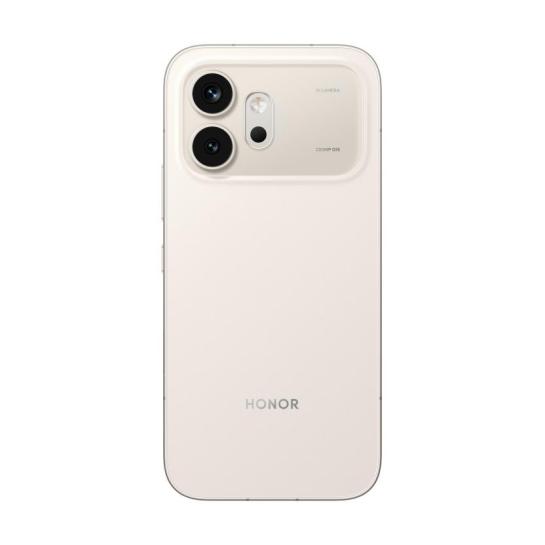
Smartphones deliver constant notifications. Each alert has the potential to interrupt focus. Users often check their devices immediately, breaking their concentration. Over time, this creates a habit of divided attention. People switch between tasks more frequently, which can reduce efficiency. However, smartphones also allow users to control these interruptions. By adjusting notification settings, they can reduce distractions and maintain focus. Devices like the HONOR 600 5G phone support smooth task transitions, making it easier for users to manage multiple activities while staying organized. The key lies in how individuals manage incoming information within their workflow.
Digital Tools Support Better Organization
Smartphones provide tools that help users organize their work. Calendars, task lists, and note-taking apps keep information structured and accessible. Users can track deadlines, set reminders, and review progress at any time. This improves clarity and reduces the risk of forgetting important tasks. Organization becomes more visual and immediate. Instead of relying on memory, users rely on digital systems. This shift increases reliability and consistency in daily productivity. It also allows users to manage multiple responsibilities more effectively, especially when balancing work and personal commitments.
Personal Discipline Defines Productivity Outcomes
Smartphones offer powerful tools, but they do not guarantee productivity. The outcome depends on how users interact with these tools. Individuals must decide when to focus, when to respond, and when to disconnect. Without clear boundaries, smartphones can lead to scattered attention. With disciplined use, they become efficient productivity tools. Users who set clear rules for device usage often achieve better results. For example, limiting distractions during focused work periods or scheduling specific times for communication can improve efficiency. Smartphones provide flexibility, but discipline determines whether that flexibility leads to productivity or distraction.
Conclusion
Smartphones influence personal productivity habits by reshaping how people manage tasks, use time, and maintain focus. They turn productivity into a continuous process, supported by real-time tools and flexible workflows. Short bursts of work replace long sessions, while instant communication speeds up decisions. At the same time, notifications and constant connectivity require careful attention management. Smartphones also support organization through digital tools, helping users track tasks and stay structured. Ultimately, productivity depends on how individuals use these capabilities. By combining flexibility with discipline, users can turn smartphones into effective tools that support consistent and meaningful progress in their daily lives.
Leave a Reply